Start here
4 reading paths, 30 guides
Four short runs of guides, each in the order to read them. Pick the one closest to what you want to do and start at number one.
New to online rips
What happens when you open a pack online, what you pay along the way, and how to get the card you keep.
8 guides, about 47 minutes of reading
-
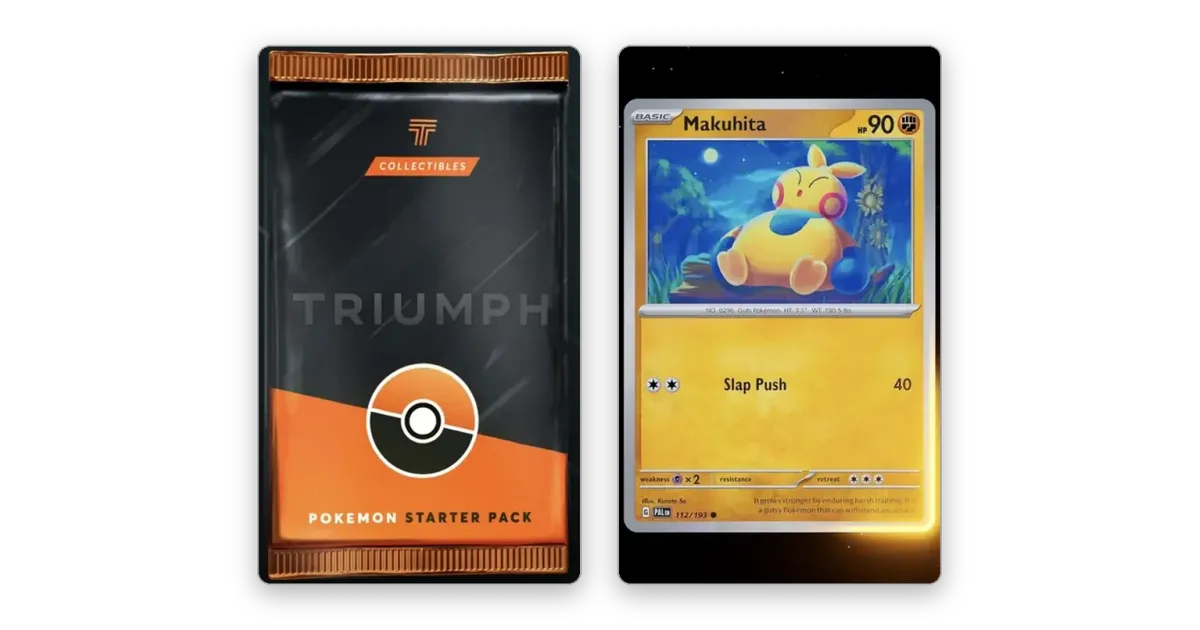
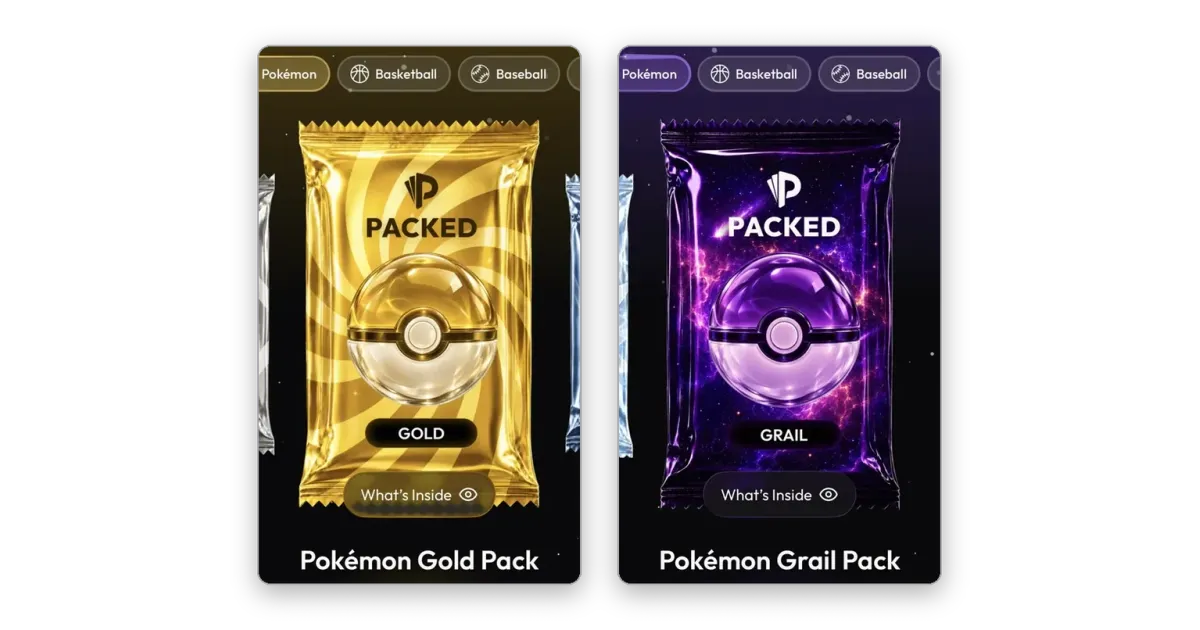
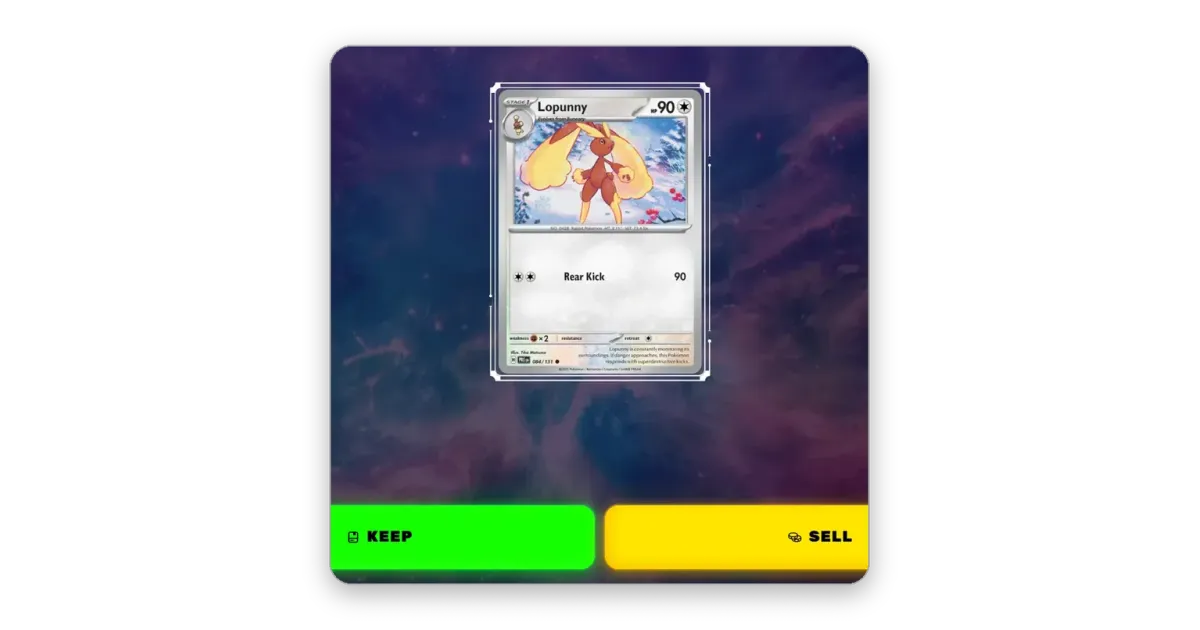
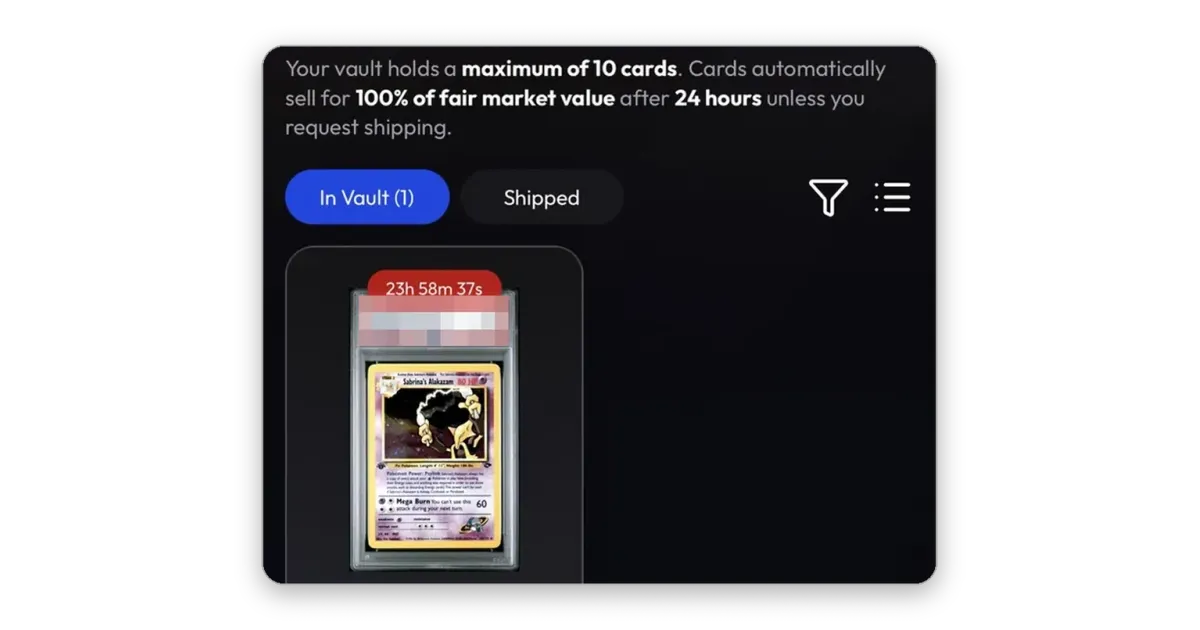
How online pack opening works, step by step
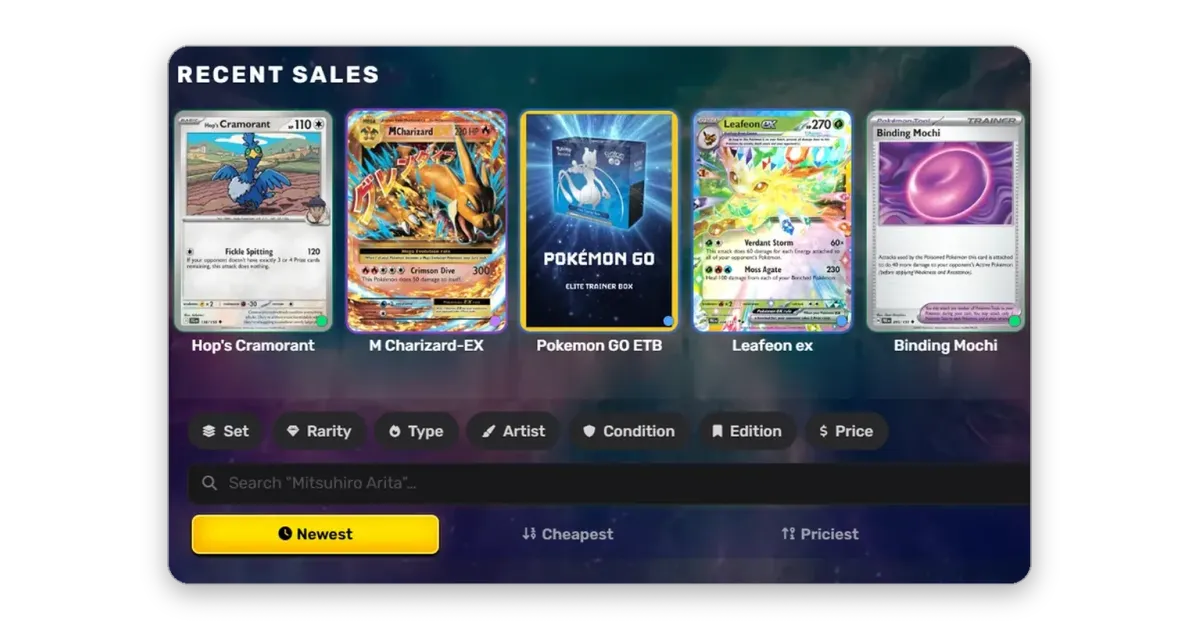
What happens when you buy a pack on a rip site: how your card is picked, where it is stored, and the choices you have after the reveal, site by site.
6 min read
-
Slab packs explained: what is inside one
A slab pack sells one graded card from a published pool. What that card is, how sites show the pool, and how a slab pack differs from other online packs.
6 min read
-
Are rip site cards real? How to check yours
Cards on rip sites such as Rips by Triumph and Phygitals are physical cards held in storage. Where each site keeps them, who graded them and how to check.
5 min read
-
Rip site fees explained, from checkout to your door
The charges a rip site can add after the pack price: payment fees, sales tax, trade-in fees, seller fees, shipping and withdrawals, stage by stage.
7 min read
-
How to judge an instant trade-in offer
How to judge a rip site's instant trade-in offer: what it is based on, its fee and deadline, how it pays, and how it compares with today's sold price.
6 min read
-
Vault or ship it home? How to decide
Keep a rip site card in the vault, list it, take the trade-in offer or ship it home: how to choose, with each site's fees and deadlines as of October 2026.
5 min read
-
What it costs to ship a graded card home
What rip sites charge to ship a graded card out of the vault, from a flat fee per card to rates set by the order's total, and how to be ready for delivery.
7 min read
-
Selling a card straight from a rip site's vault
What it costs to sell a card without it leaving a rip site's vault: seller fees, auctions, when the money arrives and how it reaches your bank.
5 min read, added October 22, 2026


Collecting Pokémon
Read a card by its rarity symbol, know what each sealed product holds, buy at list price and tell real from fake.
8 guides, about 50 minutes of reading
-
Pokémon card rarity symbols explained
What each Pokémon rarity symbol means, from the black circle to the gold stars, where it sits on a card, and how many cards of each rarity two sets hold.
7 min read
-
How many packs in each Pokémon sealed product
Packs, cards per pack and extras in each Pokémon sealed product for Pitch Black and 30th Celebration, with Target's listed prices on October 11, 2026.
6 min read
-
Where to buy Pokémon cards at MSRP
Pokémon Center, the retailers Pokémon lists, how launches, preorders and returns work, and how to tell a store's own listing from an outside seller's.
7 min read
-
How to tell if a Pokémon card is fake
Checks for a fake Pokémon card that leave it unharmed: the back, text, symbols, foil and edges, and why the light and rip tests are best skipped.
6 min read
-
How to spot a resealed Pokémon pack or box
Signs a Pokémon pack or booster box was opened and sealed again: crimps, glue, wrap, logos and card order, why no one sign is proof, and safer places to buy.
6 min read
-
Japanese vs English Pokémon cards: what differs
How Japanese and English Pokémon packs, boxes, prices, rarity codes and release dates compare, with each rarity code matched to its English symbol.
6 min read
-
Pokémon set release dates for 2026, in order
Every English Pokémon set of 2026 with its release date, the Japanese set each one follows and the days between them, and whether any 2027 set is announced.
6 min read
-
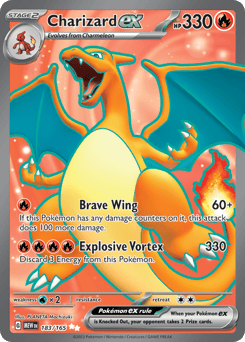
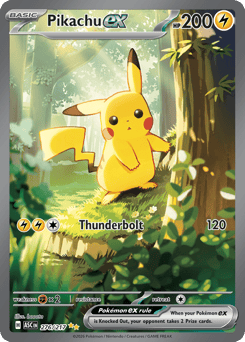
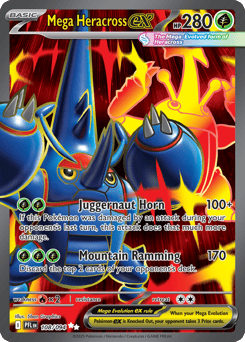
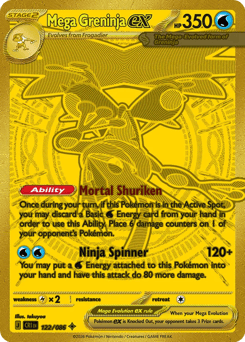
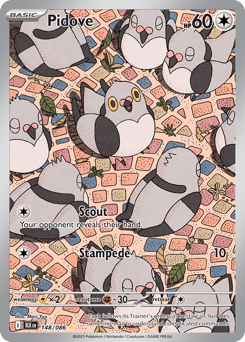
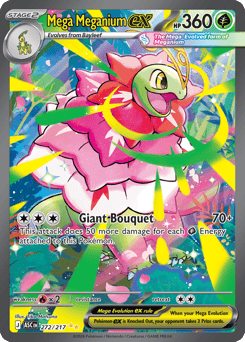
Pokémon card finishes explained, from holo to gold
Holofoil, reverse holo, full art, alternate art, textured and gold Pokémon cards: where the foil sits on each, which cards get it, and how price lists name it.
6 min read, added October 22, 2026


Collecting sports cards
Boxes, parallels, rookie cards and autographs first, then how to put a value on a card and how box breaks work.
6 guides, about 38 minutes of reading
-
Hobby vs retail sports card boxes compared
How hobby boxes differ from blasters, hangers and tins: what each maker states a box holds, and card rates by format from Upper Deck's own checklist.
6 min read
-
Sports card parallels explained: colors and numbers
What a parallel is, how to read a serial number like /25, and a full parallel ladder from the 2026-27 Upper Deck Series 1 hockey checklist.
6 min read
-
What counts as a rookie card: RC logos explained
What makes a sports card a rookie card, what the baseball RC logo has meant since 2006, where collectors disagree, and how to check a card yourself.
6 min read
-
Autographs, patches, short prints and 1 of 1s
What autograph, patch and short print cards are, how makers mark them, the ways they state how often a card appears, and what to check before buying.
7 min read
-
How to value a sports card: comps, grade, print run
Value a sports card from recent sales of the exact same card: match the print run, parallel, autograph and grade, then widen the search in the right order.
6 min read
-
Box breaks explained: team, division and personal formats
How a box break works, what each spot format gets you, how many spots each league's teams make, and what eBay, Whatnot and Fanatics Live ask of breakers.
7 min read


Selling and protecting cards
Judge condition, find what a card really sold for, set a price and sell it, then ship, store and insure what you keep.
8 guides, about 52 minutes of reading
-
Card condition explained: Near Mint to Damaged
What Near Mint, Lightly Played, Moderately Played, Heavily Played and Damaged allow on TCGplayer, and how eBay and CGC word the same wear.
7 min read
-
How to find what a card actually sold for
A method for finding a card's real sale price: match the exact printing and condition, use sold prices rather than asking prices, take the middle sale, date it.
6 min read
-
Market, listed and sold prices: what each means
What market price, lowest listing, last sale and fair market value mean on TCGplayer, rip sites and Rip.fan's own pages, and which number fits which job.
5 min read
-
How to price cards for a show, a shop or online
Set three numbers for each card, what it sells for, the least you will take and your asking price, then use them at a card show, a local shop or online.
7 min read
-
Where to sell cards online: eBay, TCGplayer, Whatnot
What TCGplayer and Whatnot charge to sell a card, what you keep on a $50, $250 or $1,000 sale, how fast the money arrives, and what eBay asks of sellers.
6 min read
-
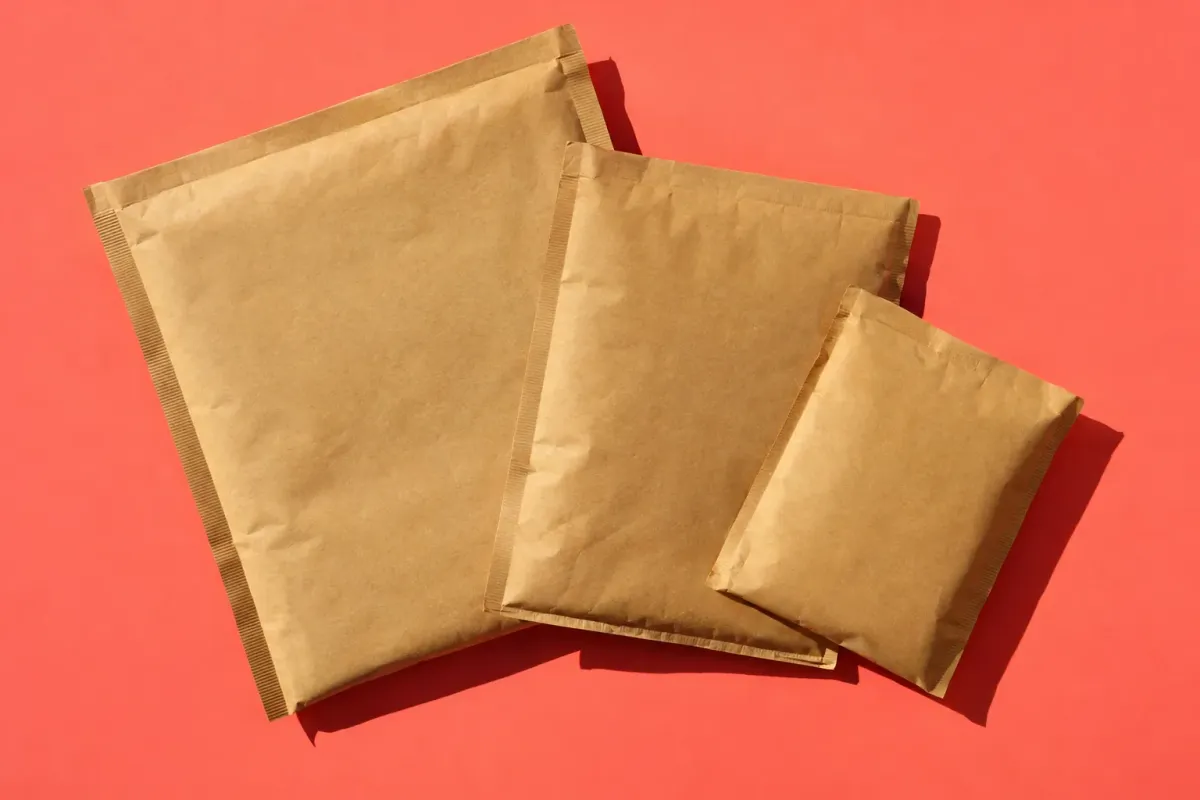
How to ship a graded card yourself
How to pack a slab, pick USPS or FedEx, and cover a $200, $600 or $1,000 card in transit, with each marketplace's signature rule and October 2026 prices.
7 min read
-
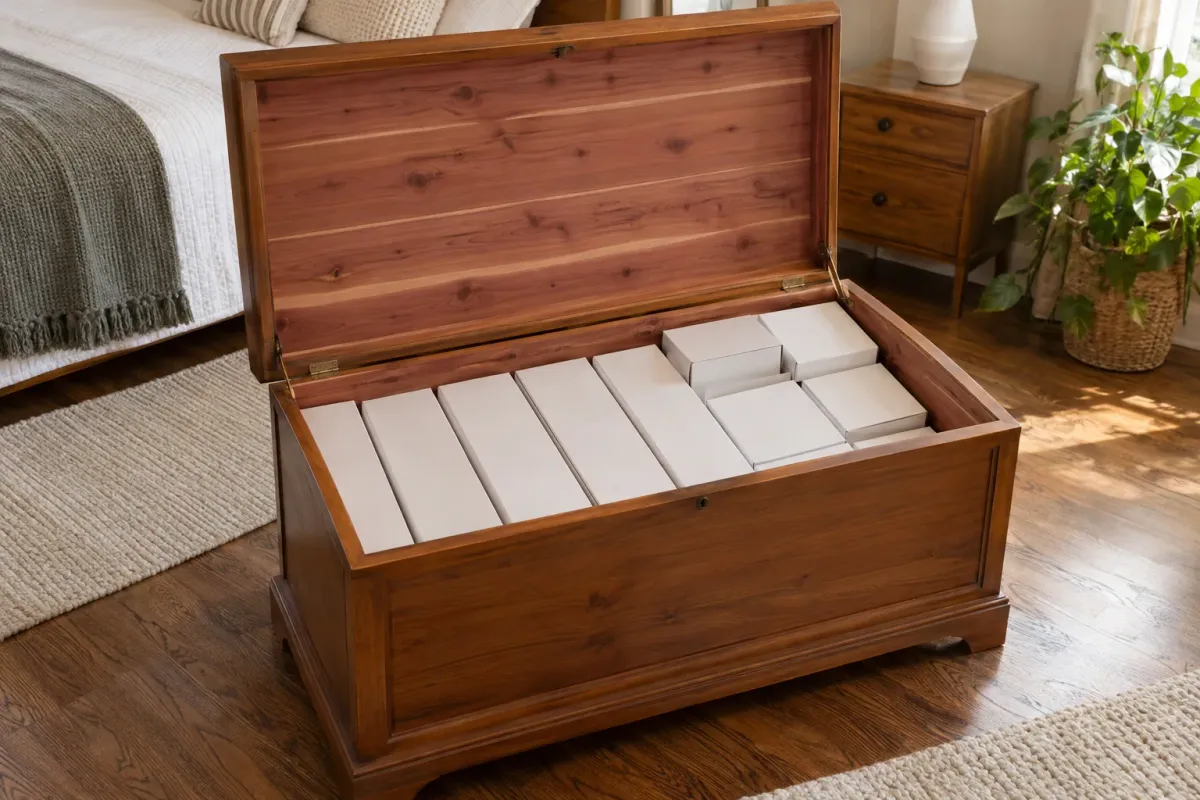
How to store trading cards so they keep condition
Which sleeve, toploader, binder page and box suits which card, how card thickness is measured, and the humidity figures that archives and conservators give.
6 min read
-
How to insure a card collection
Homeowners cover, a personal articles policy, a collectibles policy or a vault's own cover: what each pays for, what it excludes and what to ask.
8 min read
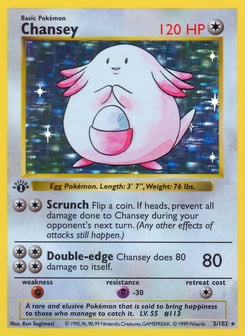
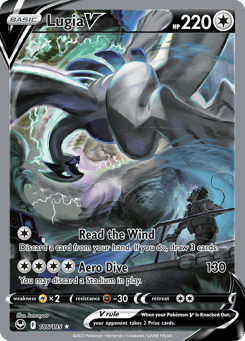




Card images from Scrydex.
Looking for something else? Browse every guide by topic or look a word up in the glossary.