Pokémon card finishes explained, from holo to gold
Holofoil, reverse holo, full art, alternate art, textured and gold Pokémon cards: where the foil sits on each, which cards get it, and how price lists name it.
By the Rip.fan Editorial Team.
Published 6 min read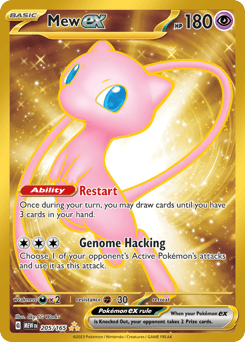
A Pokémon card’s finish comes down to where the foil sits and what the picture covers. A holofoil card shines only in its picture. A reverse holo shines everywhere but the picture. A full art card runs its picture across the whole face, in foil. An alternate art card has a different picture from the standard version, and textured and gold cards add a raised surface or gold detail. Each finish is a separate printing with its own price, so the finish belongs in every listing.
How do you tell the finishes apart?
Tilt the card under a light and watch which parts catch it.
| Finish | Where the foil sits | Which cards carry it | What it is called |
|---|---|---|---|
| Holofoil | The picture only | Holo rares in older sets, such as Base Set’s 16 | Holo in CGC’s gallery; Holofoil on Rip.fan’s card pages |
| Reverse holo | The whole card except the picture | Most cards in a set, by CGC’s account | Reverse Holo in CGC’s gallery; Reverse Holofoil on Rip.fan’s card pages |
| Premium parallel | Foil that shows a Poké Ball or Master Ball pattern as you tilt it | Prismatic Evolutions | Premium parallel, in Pokémon’s words |
| Full art | The whole face is the picture, in foil | Mostly ultra rares since Black & White | Full-art foil, in Pokémon’s words |
| Alternate art | Full-art foil, with a new picture | Illustration rares and special illustration rares | Alternate-art, in Pokémon’s words |
| Textured | A raised surface you can feel | GX cards; mega hyper rares | Embossed or textured |
| Gold | Gold detail on the art or border | Mega hyper rares; gold secret rares | Gold-etched, in Pokémon’s words; Gold Rare, in CGC’s list |
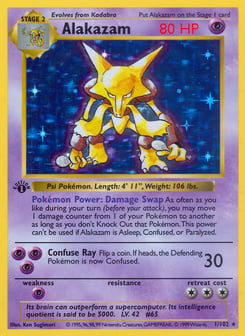
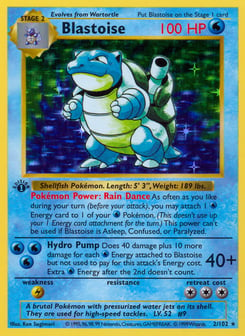
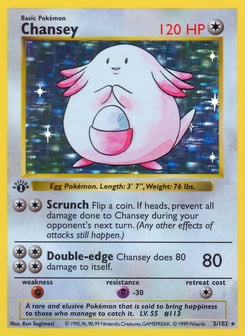
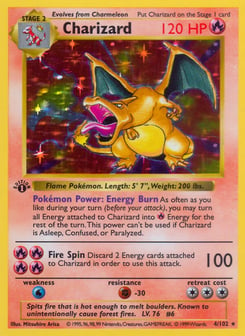
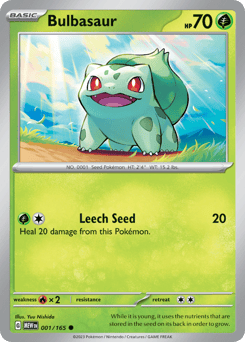
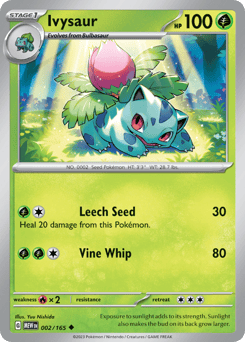
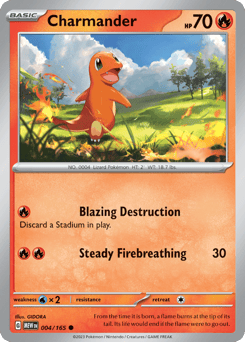
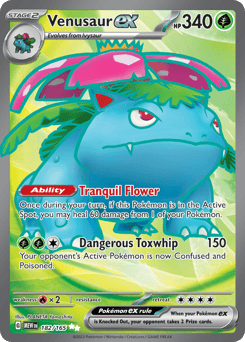
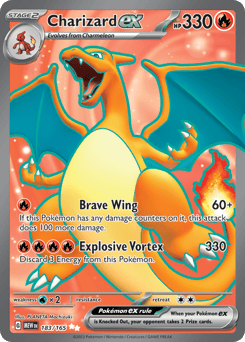
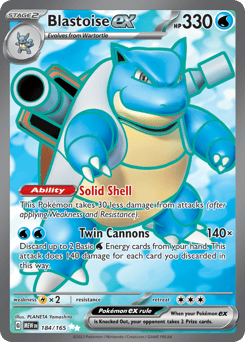
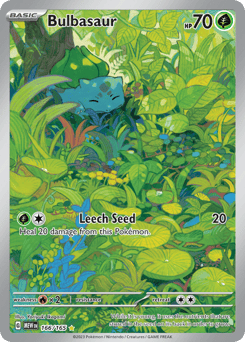
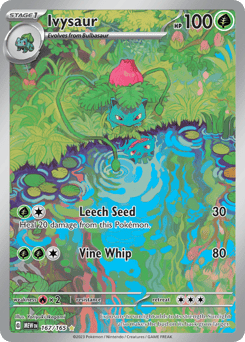
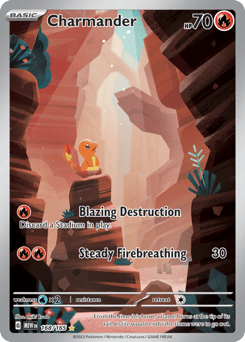
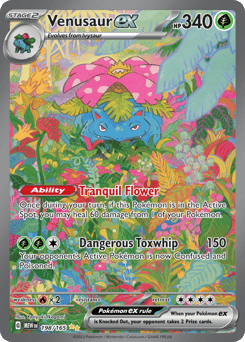
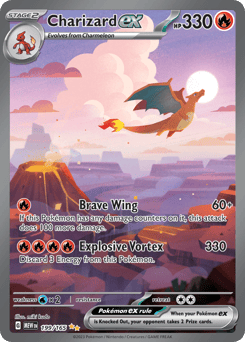
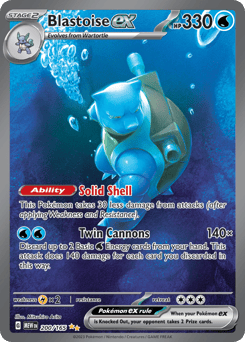
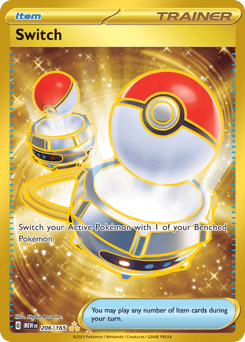

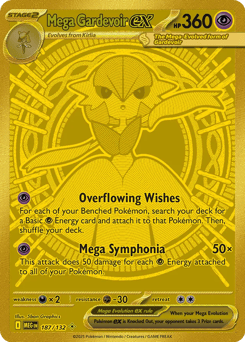
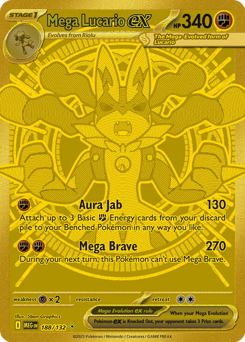
Images from Scrydex. Scrydex has one picture per card, so a picture may not show the printing named above it.
What is a holofoil card?
A holofoil card has the shine in the picture box and nowhere else. The finish goes back to the first English set: Base Set has 16 holo rares, numbered 1 to 16.
Jungle printed each rare Pokémon twice, once as a holo and once without foil. In Fossil, the two versions carry different numbers: the same 15 Pokémon are holos at 1 to 15 and non-holo rares at 16 to 30. So the number tells you which version a listing means. Team Rocket brought the first holofoil Trainer and Energy cards.
What is a reverse holo?
A reverse holofoil flips the classic holo. CGC says the foil covers the whole card apart from the picture box. It adds that most cards in a set have a reverse holo version, which is why reverse holos are the less scarce of the two foil styles. Some commons, uncommons and rares come in what Pokémon calls a special “parallel holo” style.
The first reverse holos came in Legendary Collection in 2002: every card in that set had one, in a pattern collectors call firework foil, and the finish has been part of English sets ever since.
What are Poké Ball and Master Ball cards?
Prismatic Evolutions introduced “premium parallel” cards, with a Poké Ball or Master Ball design that appears as the card is tilted. The Poké Ball version is rare and the Master Ball version even rarer.
What makes a card full art?
CGC says full art cards arrived with the Black & White expansion. The picture runs across the whole card instead of sitting in a box, and the whole card is holographic. Most full art cards since then are ultra rares, CGC adds. Today’s ultra rares fit the same description: exclusive foil cards with full art, made for Pokémon ex and some Supporters.
N, from the Black & White Noble Victories set in 2011, was the first full-art Supporter card. Our full art entry has more on the layout.
Is alternate art the same as full art?
No. Full art describes the layout. Alternate art means the card has a different picture from its standard version. Illustration rares are alternate-art cards for common, uncommon and rare Pokémon, printed in full-art foil and often showing the character’s personality or surroundings. Special illustration rares do the same for Pokémon ex and Supporter cards. Illustration rares debuted in the Scarlet & Violet expansion, and CGC notes that collectors also call them alt art cards.
So an illustration rare or special illustration rare is both full art and alternate art. Not every full art card is alternate art, though. The term applies only when the picture differs from the card’s standard version. Our alternate art entry covers the term across card games.
What are textured cards?
Cards with a surface you can feel as well as see. Cardmarket’s counterfeit guide draws attention to the texturing on genuine GX cards and says fakes very rarely copy it. It also warns that a few genuine GX cards were misprinted without the texture. CGC describes mega hyper rares as fully embossed in gold finishes. Feel is a useful check, but compare against a genuine card of the same set before deciding.
Which Pokémon cards are gold?
The top tiers. Mega hyper rares feature gold-etched holographic artwork. CGC lists gold rare cards among the secret rares, and the hyper rare tier is marked with three gold stars. Our guide to Pokémon rarity symbols shows where each of these sits in a set.
Gold is also a counterfeit warning. Cardmarket treats genuine gold borders as limited to two groups, the Delta Species rare holos and the secret rare gold cards, and a gold border on anything else as a sign of a fake. Pokémon calls the artwork on mega hyper rares gold-etched, so check the card number and rarity symbol against the set list rather than the color alone.
Is there a set where every card is foil?
Yes: every card in 30th Celebration booster packs is foil, and every pack includes a Pikachu rare card, with 30 different Pikachu designs across the set. The same packs can hold classic cards reprinted with a new foil treatment, such as Base Set Charizard. Our guide to vintage Pokémon sets covers how to tell those reprints from the originals.
Why does the finish matter when you price a card?
Because each finish is a separate item. A holo and a reverse holo copy of the same card are two printings, and so are stamped versions. Graders name the finish too: CGC’s gallery lists cards as Skyridge Holo and Legendary Collection Reverse Holo.
Rip.fan’s card pages list a separate price for each printing the price data covers, such as Normal, Holofoil and Reverse Holofoil, plus stamped versions where they exist. Look a card up by set and number on the Pokémon card price pages, or by name with the card price lookup, and match the finish before you compare prices. CGC warns that marks on the holofoil lower what a card is worth, so see our guide to storing trading cards, and check a suspect foil with our guide to spotting fake Pokémon cards.
Frequently asked questions
How much more is a Master Ball card than a regular copy?
Far more, even for a common. Black Bolt Maractus (008/086) had a Near Mint market price of $25.84 on October 21, 2026 as a Master Ball reverse holo, against $0.62 for the Poké Ball version, $0.21 for the reverse holo and $0.11 for the regular copy.
What foil pattern do Scarlet & Violet reverse holos use?
A pattern that echoes the tile designs of Paldea, the region of the Scarlet & Violet Series. These parallel foil cards also print their set code in a white box with black text, where other cards use a black box.
Do double rare cards have a special finish?
Yes, since the Scarlet & Violet Series. Double rares have a foil border with a star-like sheen, and Tera Pokémon ex double rares carry a foil across the whole card with a textured surface.
Which set brought the first textured cards?
Black & White: Next Destinies, released February 8, 2012.