Pokémon card rarity symbols explained
What each Pokémon rarity symbol means, from the black circle to the gold stars, where it sits on a card, and how many cards of each rarity two sets hold.
By the Rip.fan Editorial Team.
Published 7 min read
The rarity symbol is the small mark beside the card number at the bottom of a Pokémon card. A black circle means common, a black diamond means uncommon and a black star means rare. Since the Scarlet & Violet sets of 2023, more symbols mark the higher tiers. A double rare has two black stars and an ultra rare has two silver ones. Gold stars mark the top: one for an illustration rare, two for a special illustration rare and three for a hyper rare. The Mega Evolution sets add two tiers of their own, the Mega attack rare and the Mega hyper rare.
Where do you find the rarity symbol?
Look at the two bottom corners. CGC, the grading company, says every card carries its symbol in the bottom left or bottom right corner, next to the set number. Collector guides disagree on which corner modern cards use: NinePocket says bottom right, while xBindr places it at the bottom left, in a row with the set code and number. Check both corners and you will find it.
The card number reads like 101/132: first the card’s own number, then the printed total of the set’s main list.
A promo card is the exception. It shows a black star with the word PROMO in place of a rarity symbol, because promos are handed out or sold outside a set’s packs.
What does each Pokémon rarity symbol mean?
The table describes each symbol in words.
| Symbol | Rarity | What kind of card | Place in the numbering |
|---|---|---|---|
| Black circle | Common | The base of a set; some also come in a parallel foil version | Main list |
| Black diamond | Uncommon | As above, one step up | Main list |
| Black star | Rare | As above, one step up | Main list |
| Two black stars | Double rare | Pokémon ex in their standard art, including Mega Evolution Pokémon ex | Main list |
| Two silver stars | Ultra rare | Full-art foil Pokémon ex and some Supporter cards | Above the printed total |
| One gold star | Illustration rare | Alternate art of a common, uncommon or rare Pokémon | Above the printed total |
| Two gold stars | Special illustration rare | Alternate art of a Pokémon ex or a Supporter card | Above the printed total |
| Three gold stars | Hyper rare | Full-art foil cards with gilded borders, once called secret rares | None in the two lists below |
| One pink star and one green star | Mega attack rare | Full-art Mega Evolution Pokémon ex | Not in the two lists below |
| A gold star outlined in black | Mega hyper rare | Full-art Mega Evolution Pokémon ex with gold-etched holographic art | The last numbers in each list |
Pokémon’s own article calls the ultra rare mark two shiny foil stars, while CGC and other guides call them silver. They mean the same symbol. CGC dates the Mega attack rare to the Ascended Heroes set of January 2026.
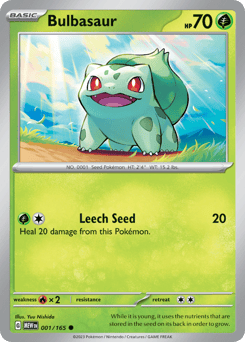
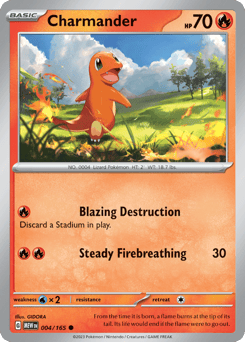
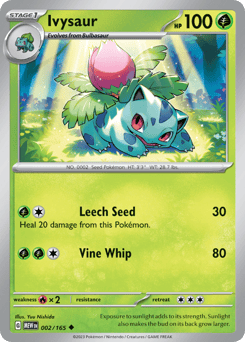
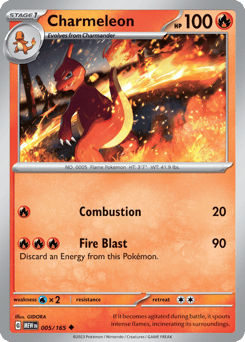
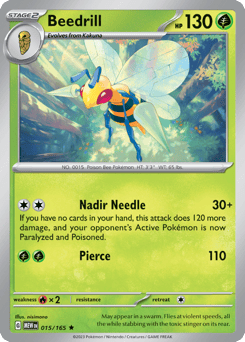
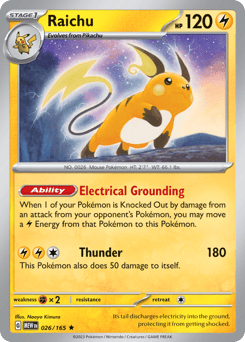
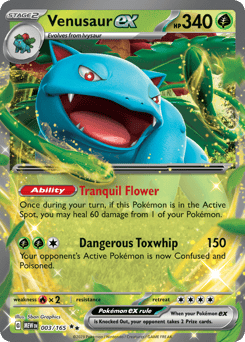
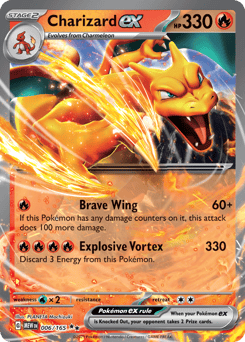
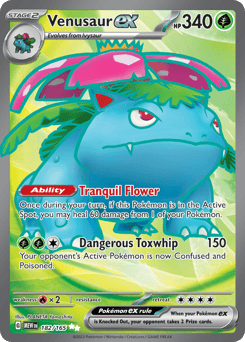
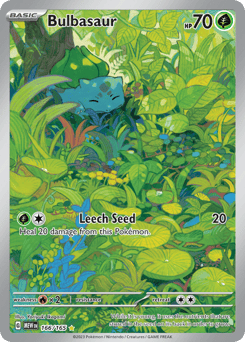
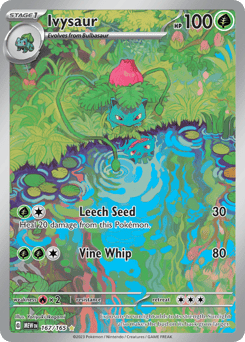
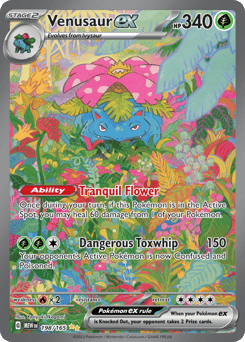
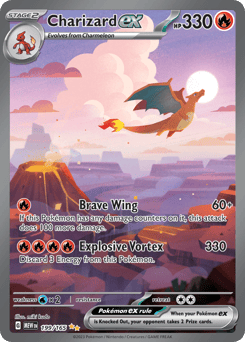

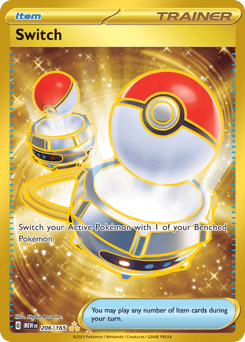
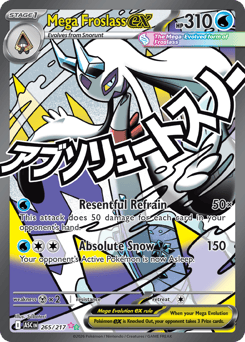
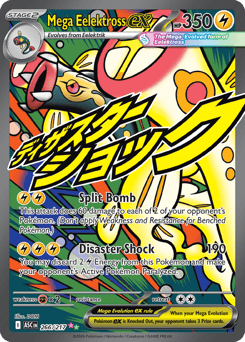
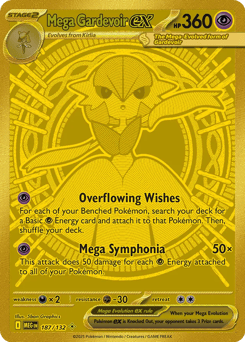
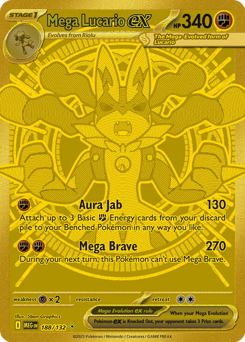
Images from Scrydex.
Why did the symbols change in 2023?
Pokémon announced the new marks in an article dated March 30, 2023. It said they would show the differences between rarities more clearly. CGC adds that they replaced names fans had coined for tiers in earlier sets. The same update swapped the yellow card border for the gray border used in Japan.
How many cards of each rarity does a set have?
Each set splits unevenly across the tiers. The table counts the distinct cards in two recent sets: Mega Evolution, released September 26, 2025, and Pitch Black, released July 17, 2026.
| Rarity | Mega Evolution cards | Share of its list | Pitch Black cards | Share of its list |
|---|---|---|---|---|
| Common | 67 | 35.6% | 37 | 30.8% |
| Uncommon | 43 | 22.9% | 26 | 21.7% |
| Rare | 12 | 6.4% | 11 | 9.2% |
| Double rare | 10 | 5.3% | 10 | 8.3% |
| Ultra rare | 22 | 11.7% | 18 | 15.0% |
| Illustration rare | 22 | 11.7% | 11 | 9.2% |
| Special illustration rare | 10 | 5.3% | 6 | 5.0% |
| Mega hyper rare | 2 | 1.1% | 1 | 0.8% |
| Total | 188 | 120 |
These are counts of cards on a list. They are not card rates, which describe how often a rarity turns up in packs, and the table says nothing about those.
The quick rule for reading a number
The four tiers from common to double rare fill the main list exactly in both: 132 cards in Mega Evolution and 84 in Pitch Black. Every card numbered above the printed total is an ultra rare or higher. So a card numbered 101/84 can’t be a common, and a gold-star card with a number inside the main list deserves a second look.
One Pokémon, several rarities
The name alone does not tell you which card you hold. In the Pitch Black list, Mega Darkrai ex appears four times: as a double rare at 048, an ultra rare at 101, a special illustration rare at 116 and the set’s Mega hyper rare at 120. Each is a separate card with its own price. Rip.fan’s Pokémon card price pages list every card in a set with its number and rarity, and the card price lookup finds one card by name.
What is a secret rare now?
The term has drifted. Pokémon said in 2023 that hyper rares were previously known as secret rares. CGC uses the word more widely, for any card numbered above the printed total. That takes in illustration rares, special illustration rares and Mega hyper rares. When a seller says secret rare, ask for the exact number and symbol. Our secret rare entry covers the history of the term.
Which rarities need extra care?
Four cases trip people up.
- 30th Celebration. This set, out September 16, 2026, names two rarities of its own: the Pikachu rare and the futuristic rare. Every card in its packs is foil, and every pack holds one of 30 different Pikachu rare cards. To identify either one, check the card number against the set’s list.
- Mega hyper rare. Its mark is a gold four-pointed star edged in black.
- ACE SPEC rare. Collector guides agree it has a single star of its own but not on the color: NinePocket calls it magenta, xBindr calls it pink.
- Japanese cards. Japanese cards print letter codes in place of symbols, and they do not map one to one. SAR is the special illustration rare, AR is the illustration rare, and UR is the hyper rare with three gold stars, not the English ultra rare.
Does the rarity symbol tell you what a card is worth?
No. CGC says plainly that a rare card’s price can’t be read from its symbol, and that printed rarity doesn’t always match how scarce a card really is. The price follows the exact card, its printing (holofoil, reverse holofoil or plain) and its condition. Our guide to card condition grades explains the condition scale, and the price pages show each card’s NM market price, with the printing it is for, from Rip.fan’s weekly price check.
How to read any card in three steps
- Find the number at the bottom of the card and compare it with the printed total.
- Read the symbol beside it and match it to the table above.
- Look the card up by set and number, since the same Pokémon can appear at several rarities in one set.
If you are buying sealed product for a set, our guide to what each Pokémon product holds lists the packs in every box. Our guide to spotting fake Pokémon cards uses the number and symbol as checks too.
Frequently asked questions
Is there a rare card in every pack?
Yes, in Scarlet & Violet sets and later. Older sets guarantee only 1 reverse foil per pack.
How were ultra rares told apart before 2023?
By their style and number, since V, VMAX, full-art and rainbow cards shared a plain rare's star.
Which set has the most hyper rares?
Paldea Evolved, with 9. Paradox Rift has 7, and 151, Obsidian Flames, Stellar Crown and Journey Together have 3 each.
Which hyper rare has the highest price?
Surging Sparks Pikachu ex (247/191), which had a Near Mint market price of $71.24 on October 21, 2026, against $266.98 on that date for the same set's Pikachu ex special illustration rare (238/191), a tier below.