TiltRips review: sell a card back the moment it lands
TiltRips makes it easy to sell a card back or store it at no charge, and its marketplace shows what cards have just sold for.

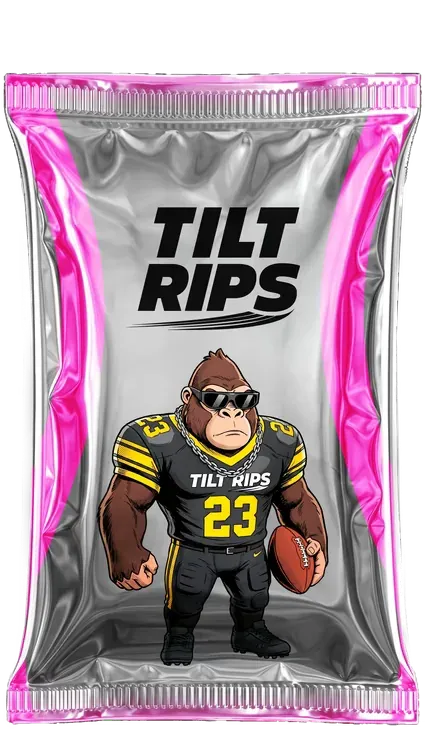

- Packs from $0.10
- Games
- Trade-in offer 90% of listed value
- Apps iPhone and Android
Packs at each price
56 packs on TiltRips, prices read Nov 1, 2026.
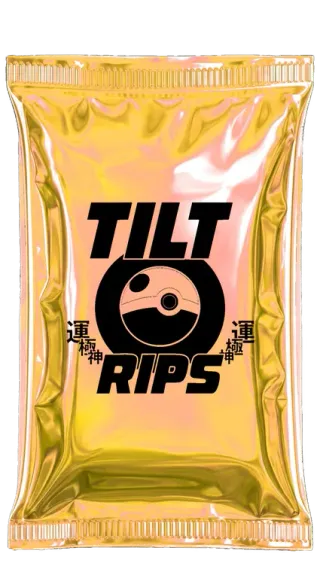




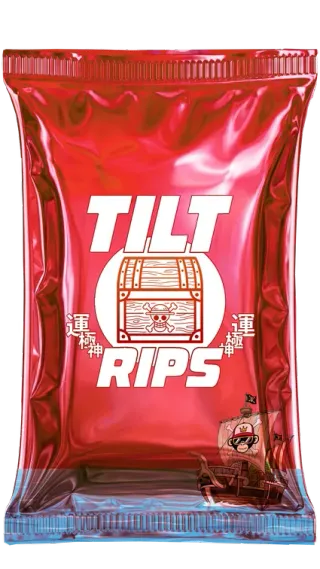

Packs by game
-
Pokémon
26 packs
$0.10 to $3,000
-
Mixed sports
15 packs
$25 to $3,000
-
Basketball
6 packs
$25 to $1,000
-
Football
6 packs
$25 to $1,000
-
One Piece
3 packs
$25 to $500
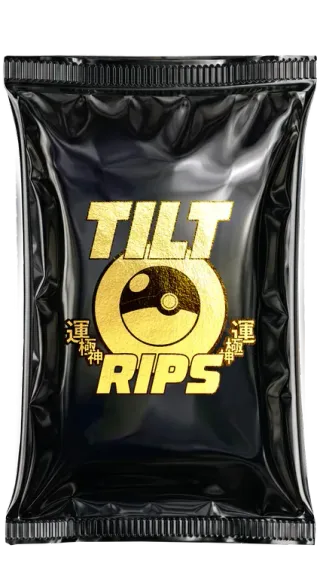

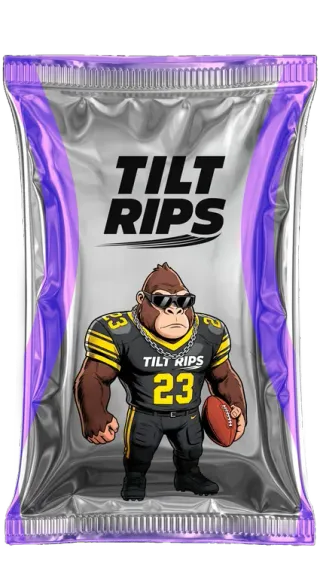
Pack images: TiltRips, from its own pack pages.
Scores
The score averages these criteria by their weights. How we rate sites
| Criterion | Weight | Our score |
|---|---|---|
| Trust and track record | 20% | 8 out of 10 |
| Trade-in terms | 15% | 9.5 out of 10 |
| Shipping and vault | 10% | 8 out of 10 |
| App and site | 8% | 8 out of 10 |
| Support | 7% | 6.5 out of 10 |
How we tested
We signed in to TiltRips in a desktop browser, opened one free pack and worked through its marketplace, with notes and screenshots of each screen. Its sell-back, vault and shipping terms come from what it publishes, and the scores rest on those pages alongside what we saw. This review is a human and AI collaboration: our own hands-on look at the site supplied the screenshots and notes, and AI wrote the review from them.
What stood out
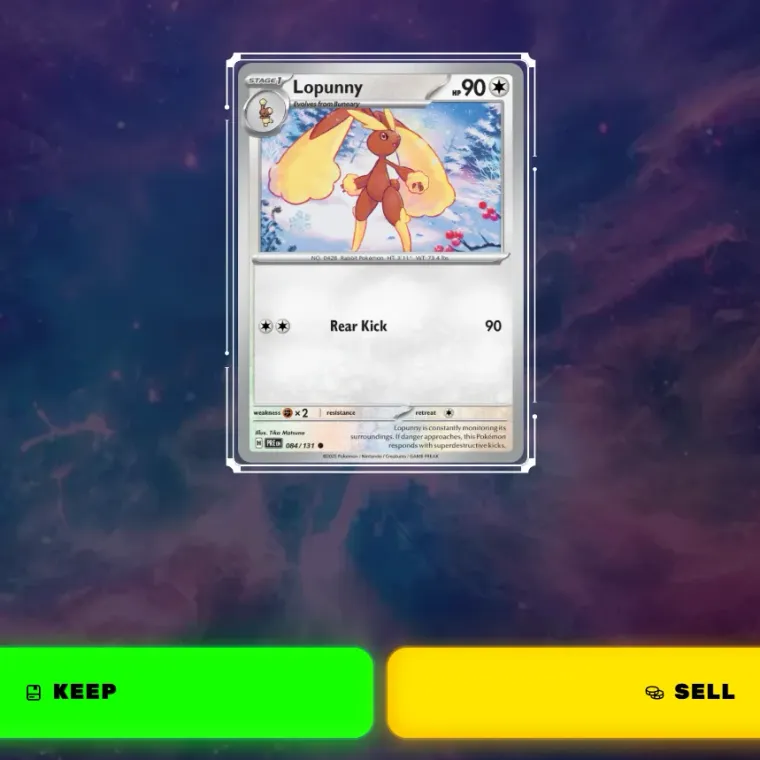
The sell button is the thing we remember. It sits directly under the card, beside the keep button, so the choice arrives with the reveal instead of behind a menu. The terms behind it are the part to read first: 90% of live market value, nothing taken off, and no deadline.
The second is how little the site asks you to commit to. A card you keep goes into storage with its value and price history attached, and it sits there at no charge until you decide. Nothing in the flow pushes a quick sale.
The marketplace is the third. It is a working listings page rather than a shop window: filters down to artist and edition, a search box, six sorts, and a recent sales row on the same screen as the listings.
How it works
TiltRips sells One Piece and sports packs as well as Pokémon, and it has iPhone and Android apps. It also runs in a web browser, which is where we used it. The one pack our account opened came up alone on the screen before it opened, a gold foil pack printed with the site’s mark.

Then the card appeared, a common Pokémon card with its listed value in US dollars. Two buttons sat under it, one to keep the card and one to sell it back to the site, and a running line counted how many cards were set to be kept and sold and what a sale would bring. The steps match what our guide to how online pack opening works describes for most sites.
Behind the screens, every pack is backed by real physical inventory rather than pictures of cards. TiltRips says its cards are authenticated and held with professional security partners, raw and graded alike, and that every price you see, whether on a sell-back, a listing or your collection, comes from live market data rather than from the site. The operator is Tilt Rips LLC, a Nevada company.
Card rates and what a pack holds
Every card carries its live market value and its price history, and the sell-back, marketplace and collection prices all come off the same live feed. That is the number to read before you decide anything: it tells you what a card is going for right now, and the history tells you whether that has been steady.
What a pack holds is a different question. The cards inside are raw or graded, authenticated and held with the site’s vaulting partners until you act on them. The pack our account opened gave a common Pokémon card from Prismatic Evolutions. The recent sales row in the marketplace ran across several sets and included a sealed Pokémon product, which gives you a sense of the range the catalogue covers.
Trade-in terms and selling
Sell a card back and you get 90% of live market value, credited to your account balance at once, with no fee beyond what the app shows. There is no deadline either. Sell back, list, hold or ship whenever you want. The price is set from live market data rather than negotiated, so if a number looks low to you, hold the card or list it instead.
Listing is the other route. Cards can be listed from your inventory or from your vault, and any fee that applies shows before you confirm a listing or sale. When we browsed it, single cards were priced in US dollars and sorted with the most recently listed first, and the recent sales gave each item’s name, its price in US dollars and how long ago it sold. The recent sales we saw were single Pokémon cards and one sealed Pokémon product.
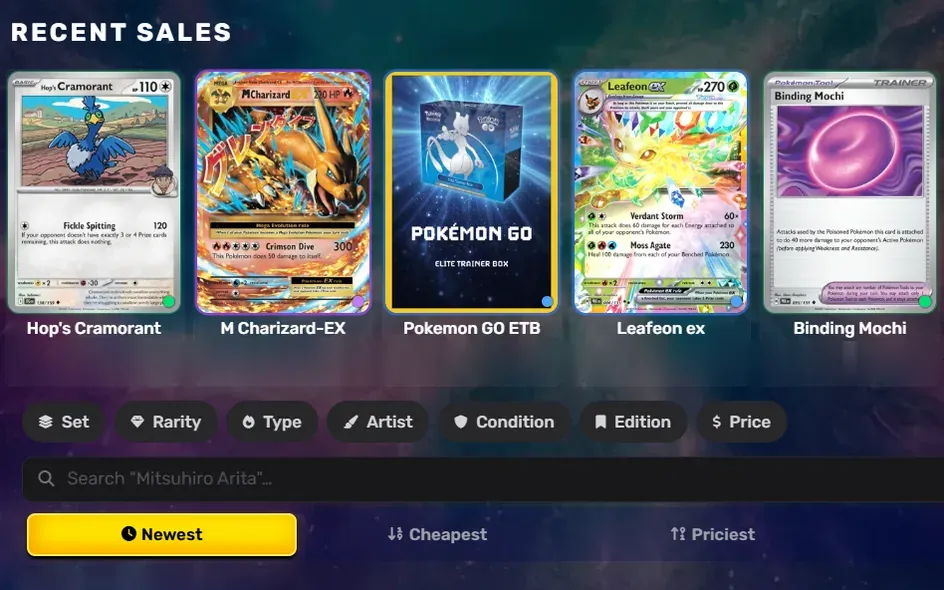
You can filter its listings by set, rarity, type, artist, condition, edition and price, search them by name, and sort them by newest, cheapest, highest price, rarity, grade or name. Sorting by grade helps if you only want graded cards. To check a card against what it actually sold for, try our guide to finding what a card sold for, and our guide to market, listed and sold prices explains what a market value means.
Fees and shipping
It takes payment in US dollars by credit card. Every price we saw was in US dollars too, from the listed value of the card the pack gave to the marketplace prices and the recent sales, and money in the balance withdraws in US dollars.
Cards stay in its vault with its security partners, at no charge, until you sell them back, list them on its marketplace or have them shipped to your door. When you want one in hand, you redeem it from your vault or your inventory, shipping fees show before you confirm, and it ships internationally as well as to US addresses. Delivery can take up to six weeks, and it aims to get parcels out within three weeks. A shipment moves through requested, preparing, shipped and delivered, and once it is with the carrier you get USPS, UPS or FedEx and a tracking number on the shipment page.
Deciding between the vault and your own shelf is the subject of our vault or ship it home guide, and our guide to selling a card straight from a vault covers selling without the card ever leaving the site.
Support and track record
Support runs through a help center with a search box and a contact form, plus an email address for reports. The articles cover shipment statuses and the rest of the account, so most questions have an answer written down before you ask.
TiltRips is operated by Tilt Rips LLC, a Nevada company, and launched in May 2026. Its iPhone app arrived in June 2026, and there is an Android app as well.
What collectors say
TiltRips reached collectors through its own channels and through coverage of its launch: Complex reported in July 2026 that the platform had opened in May, and that a collector can ship a card home, vault it or put it on the in-app marketplace. The marketplace itself is the part that draws attention, because recent sales sit right beside the listings, so you can see what a card has just gone for before you list one of your own.
Who it suits
TiltRips suits a collector who wants the reveal without the shelf, and who likes the idea of a card sitting in storage with a live price on it while they decide what to do with it. It suits someone who sells often enough to care about the sell-back rate and the absence of a fee, and who would rather list a card on a marketplace with real filters than take the first number that comes along. If you collect graded cards, the grade sort and the graded cards in the vault are built for you. And if you like opening a pack and then taking your time, the site is set up for that rhythm.
Pros and cons
Pros
- A trade-in offer of 90% of live market value, with no fee and no deadline
- A marketplace of single cards, with its recent sales shown
- Vaulting at no charge
- Each card shows its live market value and its price history
Cons
- Several extra features beyond opening packs
Frequently asked questions
Can you sell a card back to TiltRips?
Yes. A card sells back at 90% of live market value, with nothing taken off and no deadline, and the money lands in your account balance at once.
Does TiltRips charge to keep cards in its vault?
No. Cards sit with its security partners at no cost for as long as you hold them, until you sell them back, list them or have them shipped home.
How long does a TiltRips shipment take?
Up to six weeks. It aims to get parcels out within three weeks, and once a shipment is with the carrier you get its name and a tracking number on the shipment page.
Does TiltRips have a marketplace?
Yes. You can list cards from your inventory or your vault, recent sales sit on the same page as the listings, and any fee shows before you confirm.
What does TiltRips sell?
Pokémon, One Piece and sports packs. The one pack we opened gave a Pokémon card, and everything in its recent sales row was Pokémon too.
Is TiltRips in the Rip.fan rankings?
Yes. It is scored on five of our eight criteria: trust, trade-in terms, shipping and vault, the app and site, and support.